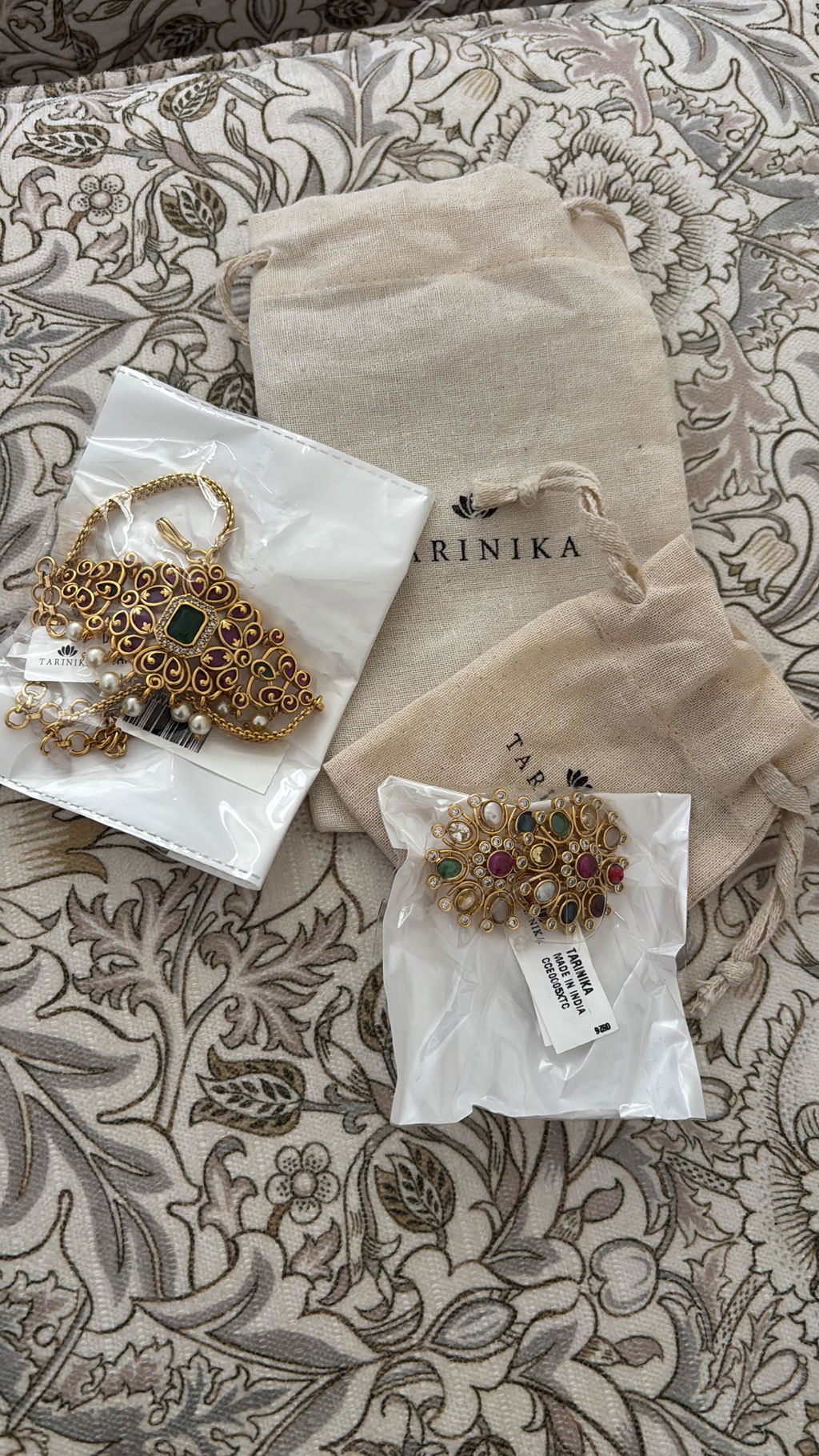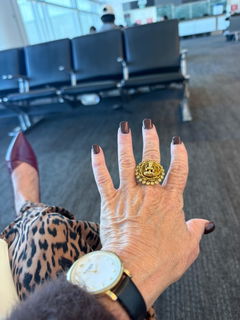

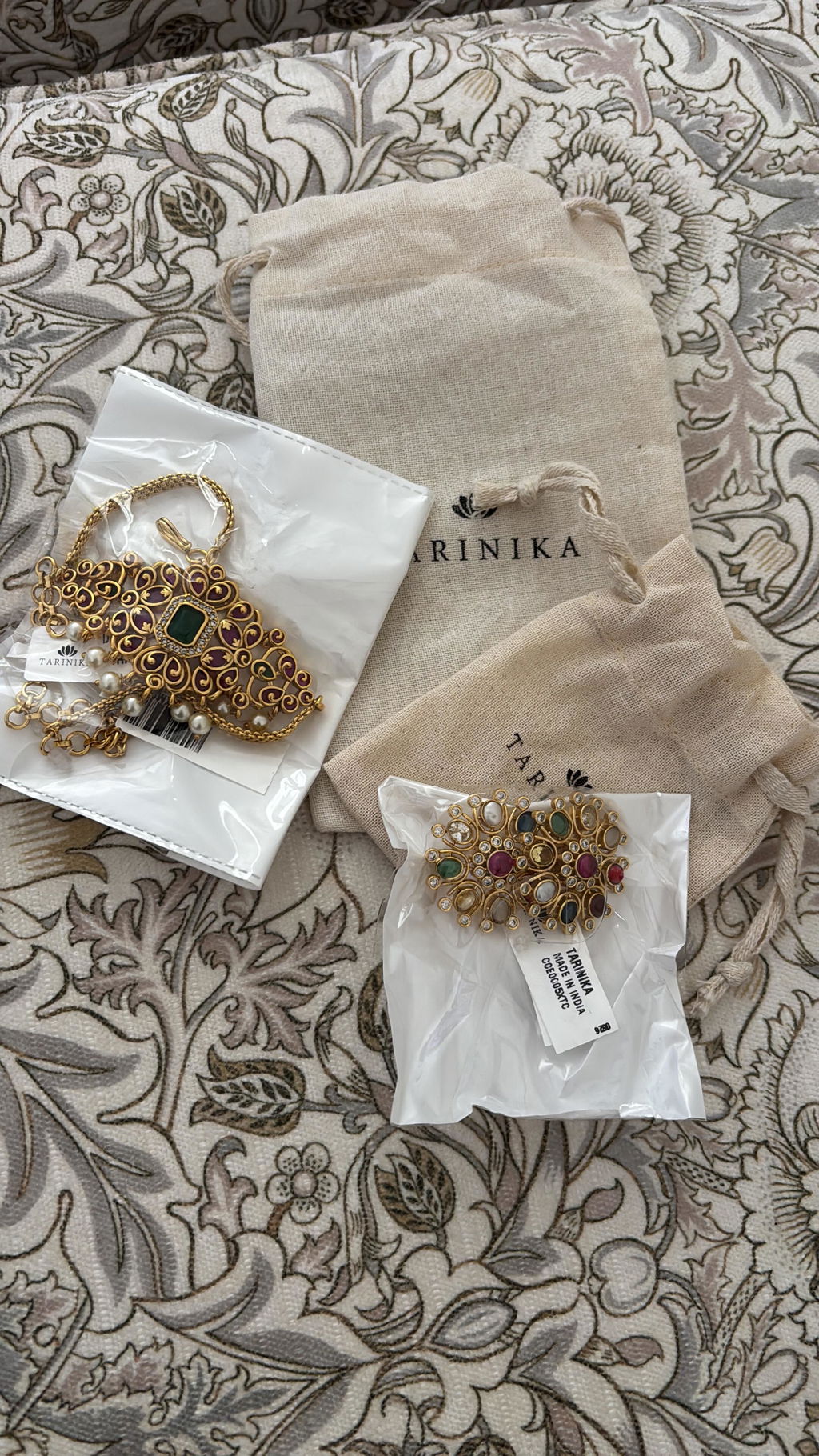
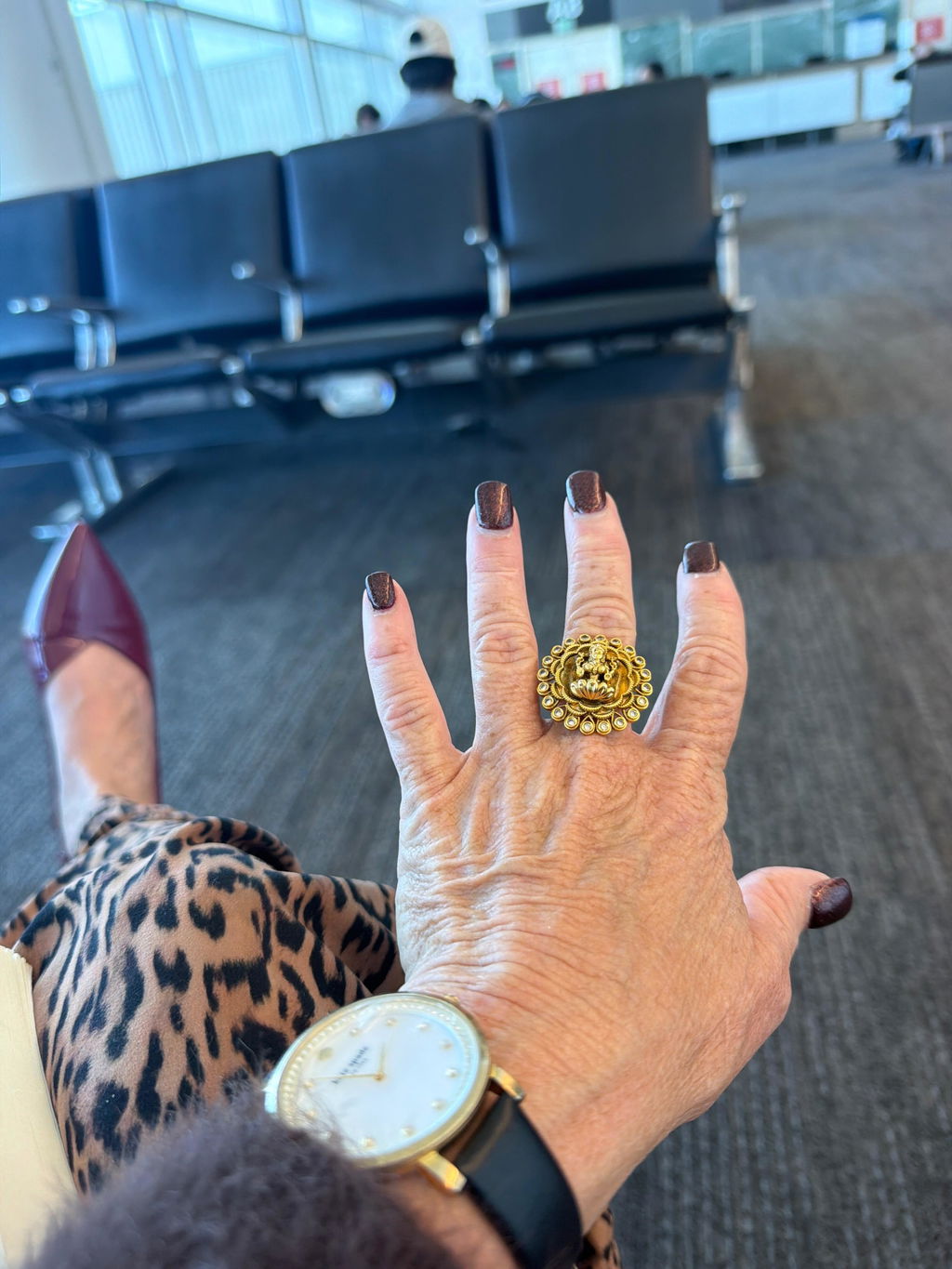

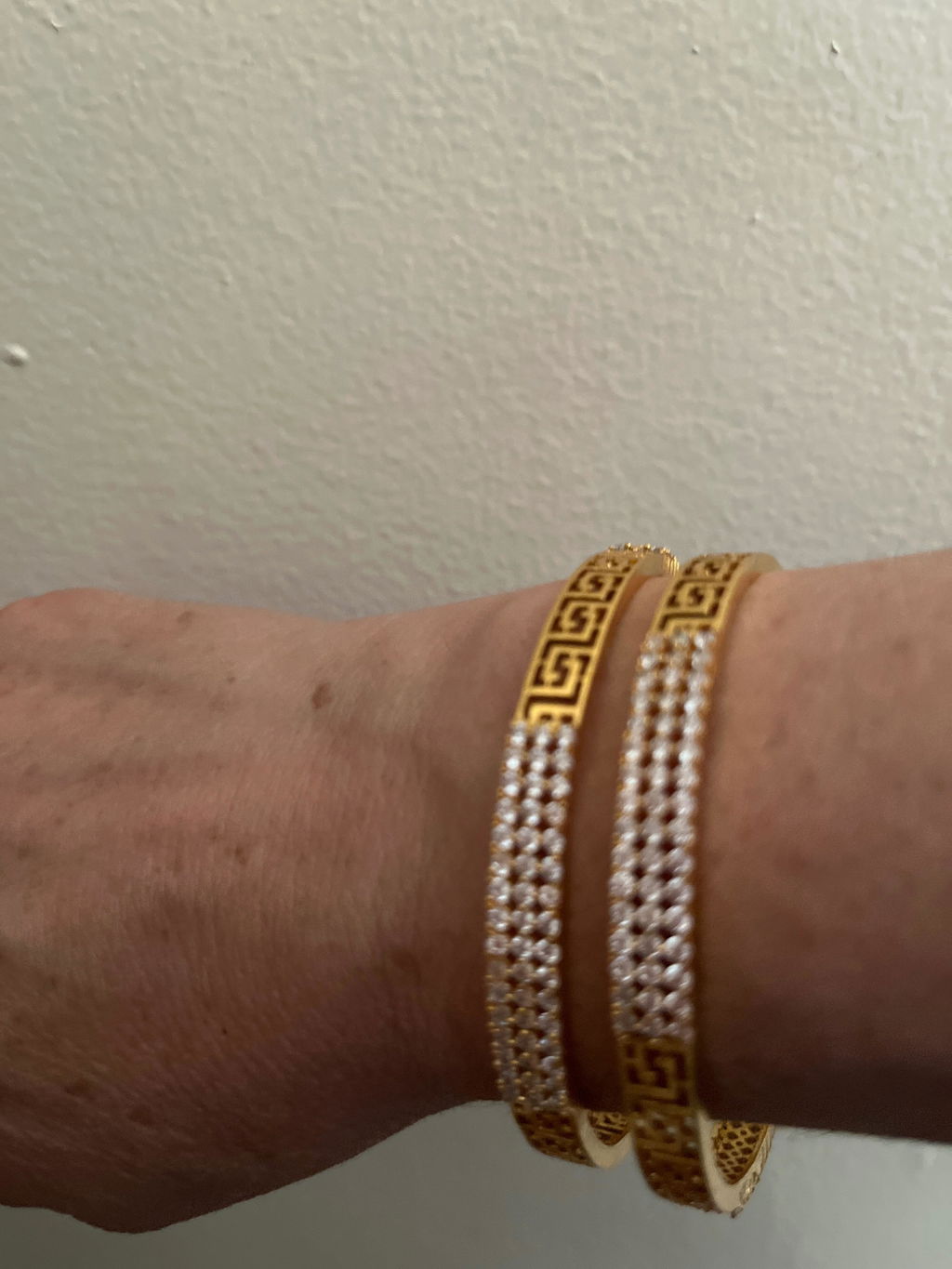
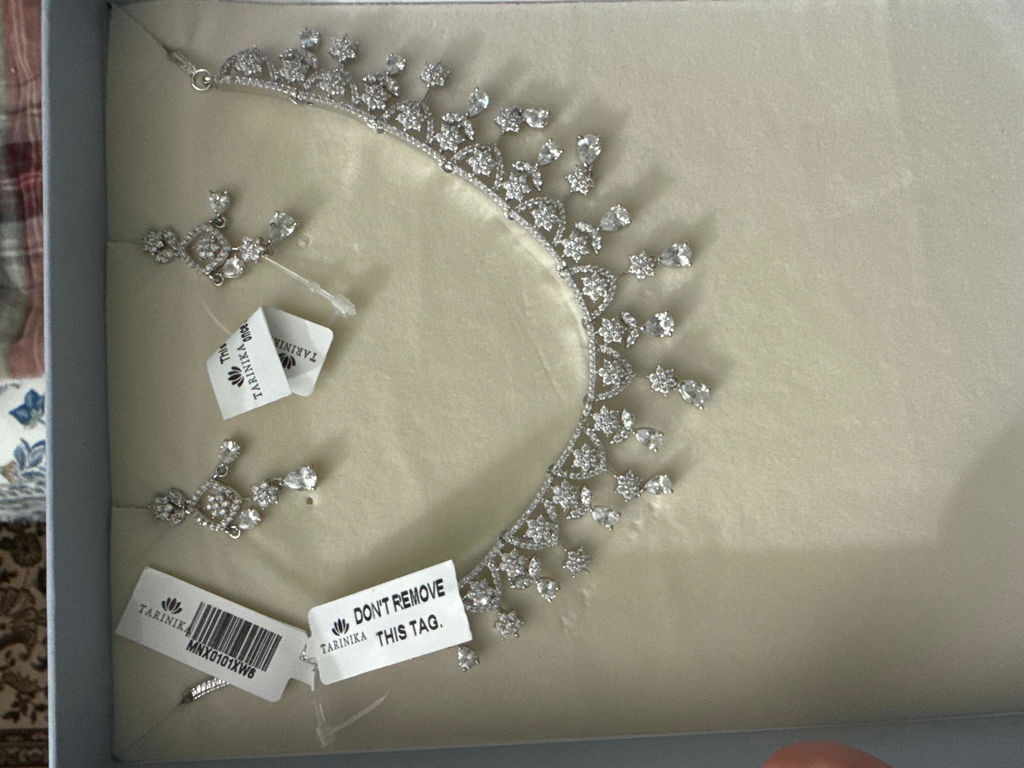
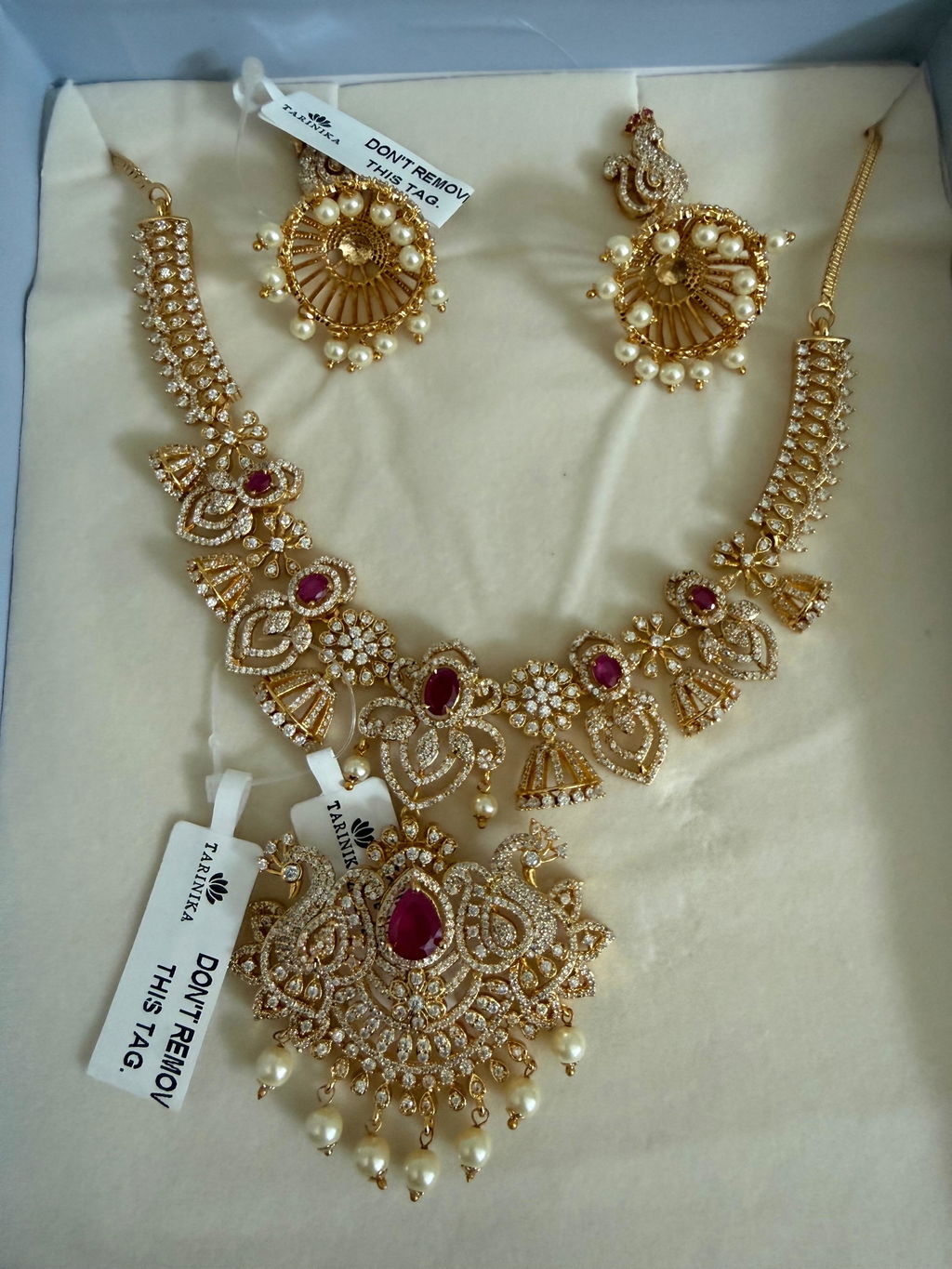




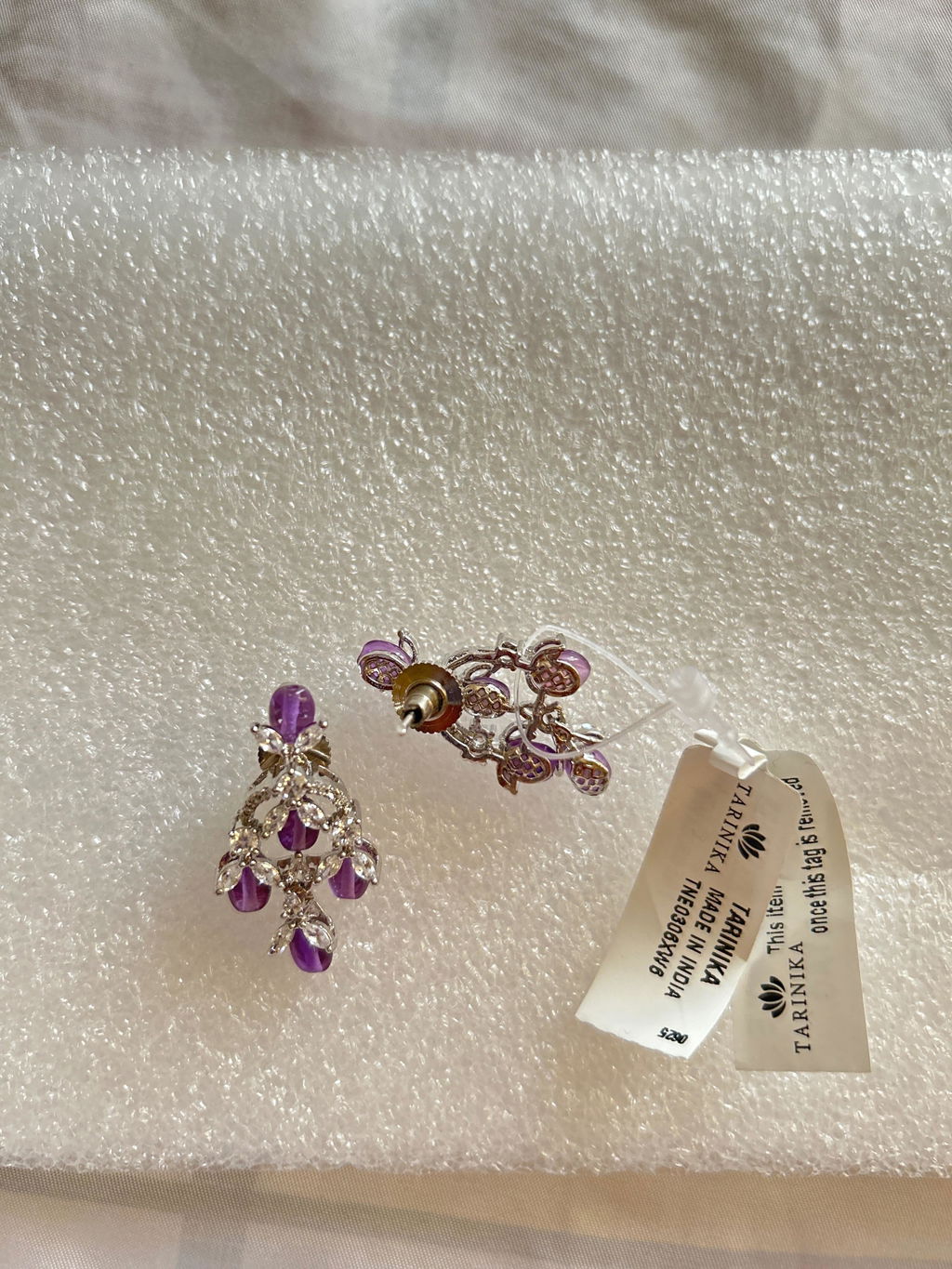
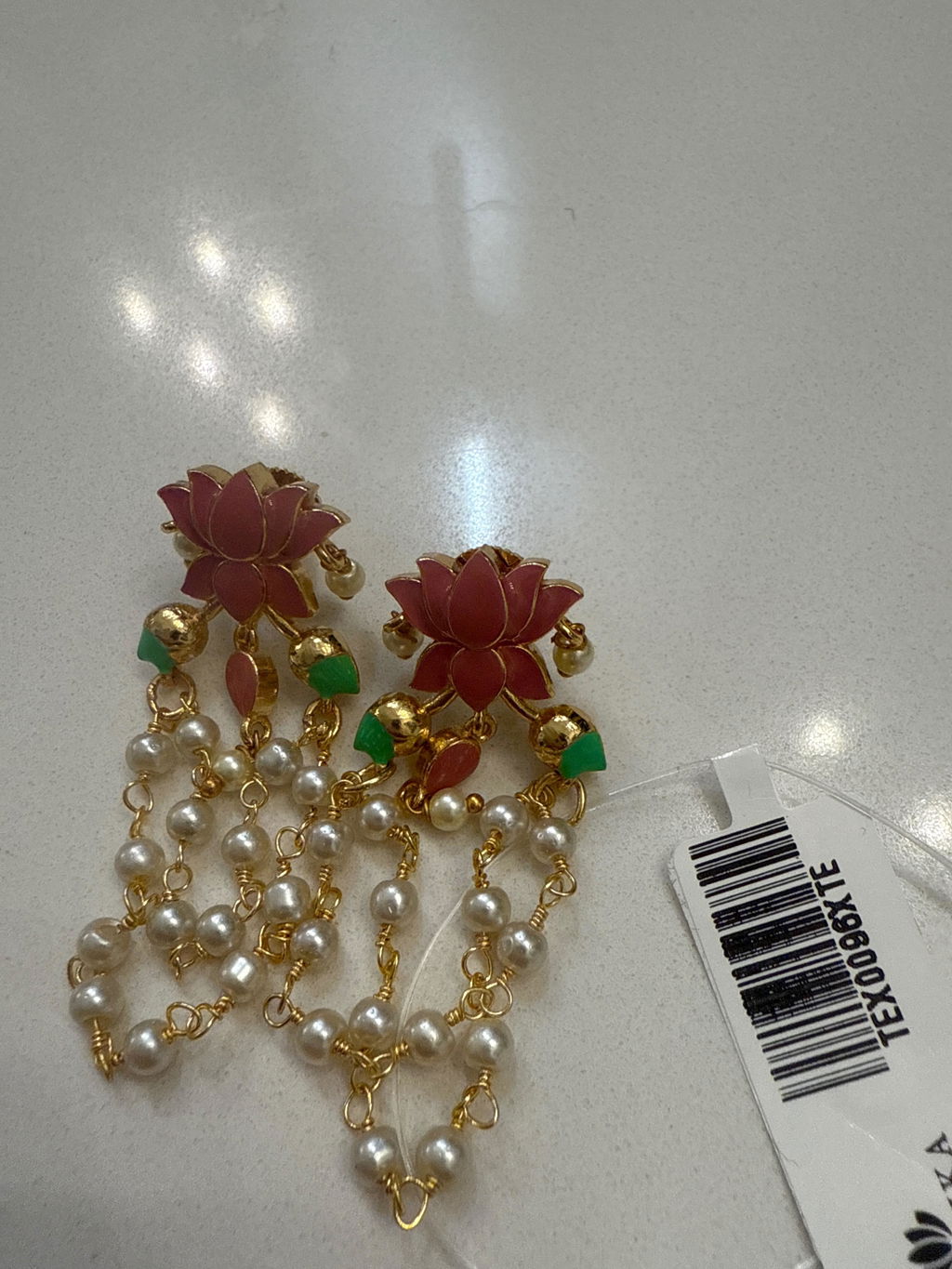

Gold-plated jewelry is designed to give you the feel of rich gold without the expense of solid gold. Gold-plated jewelry typically lasts from a few months to a few years, depending on thickness of plating, wear, and care. Gold-plated jewelry is ideal for casual as well as frequent wear. It does require more maintenance than solid gold jewelry in order to keep it looking its best.Β
What is gold-plated jewelry?Β
Gold plated jewelry is made by placing a layer of gold over a base metal such as sterling silver, brass, copper or other metal alloys. The gold layer gives the jewelry its characteristic warm color and a high lustre finish.Β
The coating does not make the whole piece gold. The surface is only coated with gold.Β
This difference matters when you compare gold-plated jewelry with solid gold, gold-filled jewelry, or vermeil. The amount of gold, the thickness of the coating, and the base metal can all affect how the jewelry looks and wears over time.Β
The U.S. Federal Trade Commission states that gold plating eventually wears away. How long it takes to wear away depends on how often you wear a jewelry piece and how thick the gold plating is on it.Β
This means that one gold-plated necklace can last for years while another piece may start to show signs of wear within a few months. Β Β Β Β Β Β Β Β Β Β Β Β Β Β Β Β Β Β Β Β Β
Is gold-plated jewelry worth it?Β
A lot of people do find that gold-plated jewelry is worth it. It offers a practical way to enjoy gold-toned designs without paying the price of solid gold.Β
It makes sense when you want:Β
A wide variety of stylesΒ
Statement jewelry for occasionsΒ
Trend-led piecesΒ
Jewelry for occasional wearΒ
The appearance of gold at a lower priceΒ
Multiple pieces for different outfitsΒ
However, gold-plated jewelry doesnβt have the same durability as solid gold. Over time the gold layer can wear down, particularly when it comes into contact with other objects or surfaces and is exposed to moisture, such as when you wash your hands or have a bath. Sweaty hands, makeup and chemicals and wearing jewelry too frequently can all have a negative impact on gold-plated jewelry and cause the gold layer to wear down.Β
So, the real question is not simply whether gold-plated jewelry is worth it. The better question is whether its lifespan matches how you plan to wear it.Β
Gold-plated jewelry pros and consΒ
ProsΒ
ConsΒ
More affordable than solid goldΒ
Gold layer can wear awayΒ
Gives jewelry a gold finishΒ
Needs regular careΒ
Offers many design optionsΒ
Can show the base metal over timeΒ
Works well for occasional wearΒ
Frequent wear can shorten its lifespanΒ
Lets you experiment with trendsΒ
Resurfacing may become necessaryΒ
Can make statement pieces more accessibleΒ
Quality varies between piecesΒ
A well-made gold-plated piece can offer good value when you understand what you are buying and care for it properly.Β
How long does gold-plated jewelry last?Β
Gold-plated jewelry can last anywhere from several months to a few years. The range sounds broad because several factors affect its lifespan.Β
Typical lifespan guide:Β
Type of useΒ
Approximate lifespanΒ
Occasional wear with careful storageΒ
2 to 5+ yearsΒ
Regular wear with good careΒ
1 to 3 yearsΒ
Frequent everyday wearΒ
6 to 24 monthsΒ
Heavy exposure to water, sweat & chemicalsΒ
A few months to 1 yearΒ
These figures provide a practical range rather than a guarantee. Plating thickness, base metal, jewelry design, body chemistry, friction, and maintenance can change the result.Β
The FTC also explains that gold plating wears away based on wear frequency and plating thickness. It distinguishes gold electroplate from thinner finishes such as gold flash or gold wash, which can wear away faster.Β
Does plating thickness affect lifespan?Β
Yes.Β
A thicker gold layer generally gives you more material to wear through. A very thin layer can lose its finish faster, especially on rings, bracelets, and other pieces that experience constant friction.Β
Some manufacturers state plating thickness in microns. A higher micron number usually means a thicker layer, but you should still consider the base metal, manufacturing quality, and where the plating sits on the piece.Β
The FTC also emphasizes that the durability of gold plating depends on the thickness and coverage of the coating.Β
Does 18k gold plated jewelry last longer?Β
Not necessarily.Β
18k gold contains a higher proportion of pure gold than 14k gold. However, the karat number alone does not tell you how long a plated piece will last.Β
The thickness of the plating matters more when you think about wear.Β
For example, an 18k gold plated necklace with a very thin coating may wear faster than a 14k gold plated necklace with a thicker coating.Β
The FTC explains that karat describes the purity of the gold alloy, while plating describes a gold layer applied over another material.Β
So, when you shop for 18k gold plated jewelry, look beyond the β18kβ label. Check the plating thickness, base metal, care instructions, warranty, and seller information too.Β
Does gold-plated jewelry tarnish?Β
Yes, but the answer needs some context.Β
Gold itself does not behave like many base metals when exposed to air and moisture. However, the gold coating on plated jewelry can wear down and expose the underlying metal.Β
That exposed metal can then oxidize, discolor, or tarnish.Β
You may notice:Β
A darker or duller appearanceΒ
Silver or copper tones showing throughΒ
Greenish marks on some piecesΒ
Uneven color around high-friction areasΒ
Loss of shineΒ
The base metal plays an important role here. A piece with sterling silver underneath can behave differently from one made with brass or copper.Β
Your skin chemistry can also affect how quickly jewelry changes. Sweat, lotions, perfume, and repeated contact can increase exposure to substances that affect the finish.Β
What causes gold plating to wear off?Β
Several everyday habits can shorten the lifespan of gold-plated jewelry.Β
WaterΒ
Frequent contact with water can speed up wear, especially when you expose jewelry to chlorinated or salt water.Β
Remove gold-plated pieces before swimming or showering when possible.Β
SweatΒ
Sweat contains salts and other compounds that can affect jewelry finishes.Β
You may notice faster wear on necklaces, earrings, bracelets, and rings that you wear during workouts or in hot weather.Β
Perfume and skincareΒ
Perfume, body lotion, sunscreen, hair products, and makeup can sit against the jewelry.Β
Apply these products first and let them dry before you put on your jewelry.Β
FrictionΒ
Friction creates one of the biggest problems for plated jewelry.Β
Bracelets rub against desks, bags, clothing, and other jewelry. Rings experience even more contact because your hands stay active throughout the day.Β
Necklaces can also rub against skin and clothing.Β
StorageΒ
Loose jewelry can rub against other pieces inside a jewelry box.Β
Store delicate gold-plated jewelry separately in a soft pouch or lined compartment. This simple habit can reduce unnecessary scratches and friction.Β
How to make gold-plated jewelry last longerΒ
You do not need an elaborate routine.Β
Follow these simple habits:Β
Put jewelry on after applying perfume, lotion, and makeup.Β
Remove jewelry before swimming or showering.Β
Take jewelry off before exercising.Β
Wipe pieces with a soft, dry cloth after wearing them.Β
Store pieces separately.Β
Keep jewelry away from direct moisture.Β
Avoid abrasive cleaning products.Β
Handle chains and delicate pieces gently.Β
Keep pieces away from household chemicals.Β
Follow the care instructions from the jewelry brand.Β
Think of gold plating as a finish that deserves protection rather than as a permanent layer.Β
How to restore gold-plated jewelryΒ
You can clean lightly worn gold-plated jewelry at home, but cleaning cannot replace gold that has already worn away.Β
Start with a soft, dry microfiber or jewelry cloth. Gently wipe the surface after use.Β
If the brand allows gentle cleaning, use lukewarm water with a small amount of mild soap. Dip the piece briefly, rinse it carefully, and dry it completely with a soft cloth.Β
Avoid:Β
ToothpasteΒ
Baking sodaΒ
Abrasive polishing clothsΒ
Strong jewelry cleanersΒ
BleachΒ
Harsh household chemicalsΒ
Aggressive scrubbingΒ
These methods can remove or damage the remaining gold layer.Β
If the plating has worn through and the base metal shows, cleaning will not restore the original finish. A professional jeweler or plating service may need to replate the piece.Β
Can gold-plated jewelry be replated?Β
Yes.Β
A jeweler can often remove the worn finish, prepare the surface, and apply a new layer of gold.Β
Replating makes sense when:Β
You love the designΒ
The base piece remains structurally soundΒ
The cost of replating fits the value of the jewelryΒ
You want to keep wearing the piece for yearsΒ
Ask the jeweler about the plating thickness, gold karat, base metal, and expected durability before you proceed.Β
Gold plated vs gold-filled vs solid goldΒ
Understanding the difference can help you choose the right jewelry for your lifestyle.Β
Gold-plated jewelryΒ
Gold-plated jewelry uses a layer of gold over another metal. It usually costs less than solid gold and works well for fashion and occasional wear.Β
Gold-filled jewelryΒ
Gold-filled jewelry uses a mechanically bonded layer of gold over a base metal. The gold layer has a different construction from standard plating and generally offers greater durability.Β
Solid goldΒ
Solid gold jewelry contains a gold alloy throughout the piece. It costs more but can last for decades with proper care.Β
The FTC distinguishes these categories based on how gold gets applied and how much gold the item contains.Β
Who should buy gold-plated jewelry?Β
Gold-plated jewelry works particularly well for people who enjoy changing their jewelry often.Β
It can suit you if you:Β
Follow jewelry trendsΒ
Like statement piecesΒ
Want several designs at different price pointsΒ
Wear certain pieces for weddings or festivalsΒ
Prefer affordable everyday stylingΒ
Take jewelry off before sleeping, showering, and exercisingΒ
You may want to consider solid gold or another more durable option if you want one piece that you can wear constantly for many years.Β
What should you check before buying gold-plated jewelry?Β
Do not stop at the words βgold plated.βΒ
Check these details before you buy:Β
Gold karat: Look for information such as 14k, 18k, or another stated karat.Β
Plating thickness: Ask about micron thickness when the seller provides it.Β
Base metal: Find out whether the piece uses sterling silver, brass, copper, stainless steel, or another material.Β
Care instructions: A reliable seller should explain how to maintain the piece.Β
Warranty: A warranty can give you more information about the brand's confidence in its product.Β
Returns: Check the return policy before you purchase.Β
Product description: Look for clear information about the materials and finish.Β
The FTC's Jewelry Guides emphasize accurate descriptions of gold content, plating, quality, and durability.Β
Final verdict: Is gold-plated jewelry worth it?Β
Gold-plated jewelry can offer excellent value when you treat it as an accessible fashion and occasion jewelry option rather than a substitute for solid gold.Β
A good piece can give you the look of gold for a fraction of the cost. You can also build a larger jewelry collection without making the investment that solid gold requires.Β
The trade-off comes with lifespan. Gold plating eventually wears away, and frequent exposure to water, sweat, chemicals, and friction can speed up that process.Β
If you choose quality pieces, understand the plating, and follow simple care habits, gold-plated jewelry can stay beautiful for months or years.Β
The key is to buy with realistic expectations. Gold-plated jewelry does not need to last forever to be worth wearing.Β
Frequently asked questionsΒ
How long does gold-plated jewelry usually last?Β
Gold-plated jewelry can last several months to a few years. Occasional wear with careful storage can extend its lifespan, while daily exposure to water, sweat, friction, and chemicals can shorten it.Β
Does 18k gold plated jewelry tarnish?Β
The gold layer itself behaves differently from the base metal, but the plating can wear away and expose the underlying material. That exposed metal can discolor or tarnish.Β
Can you shower with gold-plated jewelry?Β
You can, but frequent showering can shorten the life of the plating. Water, soap, shampoo, and friction can gradually affect the finish. Removing jewelry before showering can help it last longer.Β
Can you sleep with gold-plated jewelry?Β
You can, but regular sleeping can create friction against your skin, pillow, and bedding. Remove delicate pieces before sleeping if you want to extend their lifespan.Β
How do you restore gold-plated jewelry?Β
You can clean lightly worn jewelry with a soft cloth and gentle care. Cleaning cannot replace gold that has worn away. A professional jeweler can replate the piece when the finish has significantly faded.Β
Can gold-plated jewelry turn green?Β
It can. Green discoloration can appear when the plating wears down and exposes a base metal such as copper or an alloy containing copper. Sweat and moisture can contribute to the change.Β
Is 18k gold plated jewelry better than 14k gold plated jewelry?Β
18k gold contains more pure gold than 14k gold, but the karat alone does not determine plating durability. Plating thickness, base metal, construction, and care also affect how long the jewelry lasts.Β
Can gold-plated jewelry get wet?Β
Occasional moisture may not ruin a piece immediately, but repeated exposure can shorten its lifespan. Keep gold-plated jewelry away from swimming pools, seawater, showers, and prolonged moisture whenever possible.Β
Can you wear gold-plated jewelry every day?Β
You can, but daily wear will usually cause faster wear than occasional use. Choose pieces that experience less friction and remove them before activities that involve water, sweat, or chemicals.Β
Is gold-plated jewelry worth buying?Β
Gold-plated jewelry can be worth buying if you want the look of gold at a lower price and understand that the plating will eventually wear. Quality, plating thickness, care, and how often you wear the piece all affect its value over time.Β
Shop gold-plated jewelry with confidenceΒ
The best gold-plated jewelry does not promise permanence. It gives you beautiful design, accessible pricing, and a finish that you can enjoy with the right care.Β
Choose pieces that fit your lifestyle, check the materials before buying, and give your jewelry a little extra care between wears. That small effort can make a noticeable difference to how long your favorite pieces stay polished and beautiful.Β
Β